
Orthobiologic Therapy — Healing Powered by Your Own Biology
What Are Orthobiologics?
Orthobiologics are treatments derived from your own body — blood, bone marrow — concentrated and delivered precisely into injured tissue to support its natural repair process. Where a cortisone shot quiets symptoms, orthobiologics aim at the underlying biology: stimulating tendon repair, modulating inflammation in arthritic joints, supporting healing where blood supply is poor. It’s the fastest-growing area of evidence-based non-surgical orthopedics.
PRP Treatment
Platelet-rich plasma (PRP) starts with a simple blood draw. We concentrate the platelets — your body’s first responders, packed with growth factors — and inject them under ultrasound guidance into the damaged tissue. PRP has the deepest research base of any orthobiologic: multiple randomized controlled trials support it for knee osteoarthritis and chronic tennis elbow, with promising evidence in other tendinopathies. The entire process happens in one office visit.
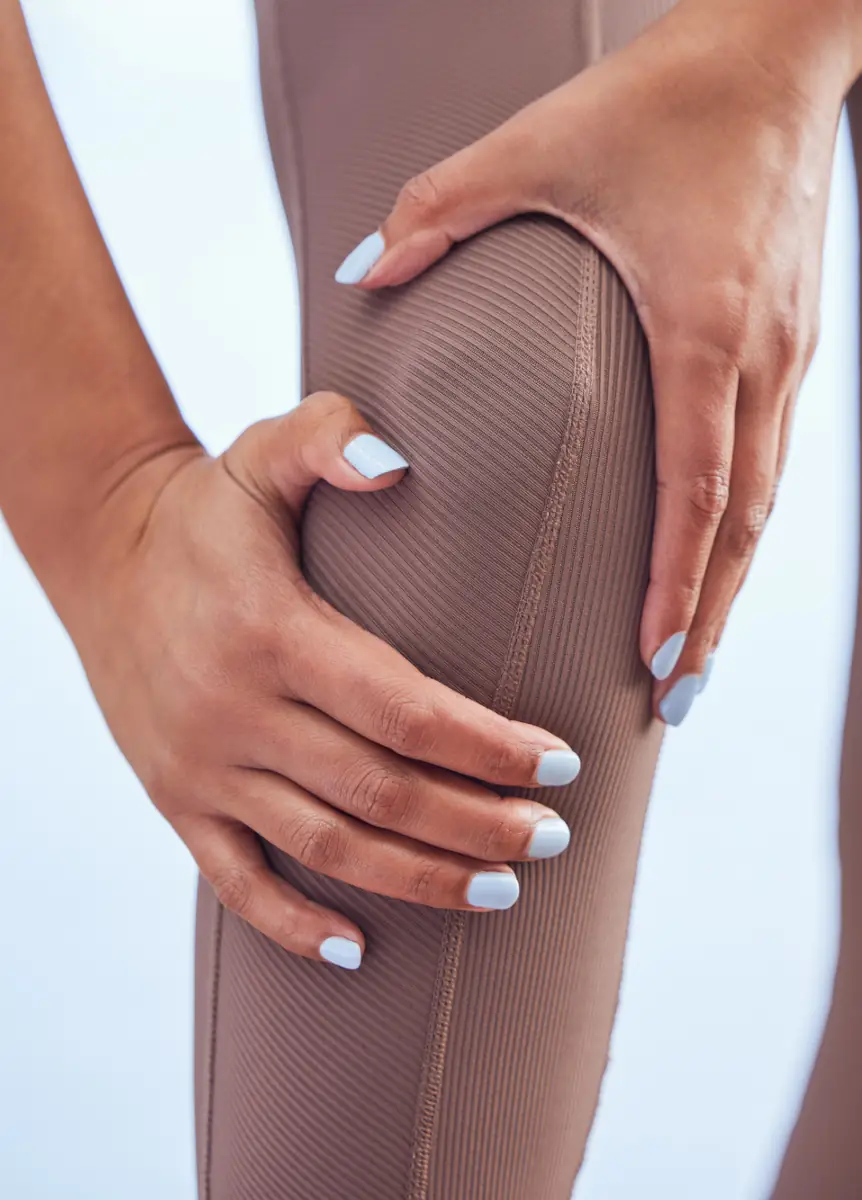
Conditions Where Orthobiologics May Help
Our Standards
Autologous only — from your body, for your body, prepared the same day. Ultrasound-guided, every time. Performed personally by Dr. O. And graded honestly: we’ll tell you where evidence is strong, where it’s emerging, and where it doesn’t yet justify your money.
What Orthobiologics Actually Do — The Science Explained
Orthobiologics are natural substances — cells, blood components, and growth factors — harnessed from your own body to treat orthopedic conditions. Understanding how they work helps you make an informed decision about your care.

How PRP Works
Platelet-Rich Plasma is blood plasma enriched with concentrated platelets — up to 10× normal concentration. Platelets release growth factors including PDGF, TGF-β, VEGF, and IGF-1 that directly stimulate tissue repair, reduce inflammation, and support cartilage preservation. When delivered precisely under ultrasound guidance, PRP initiates a targeted healing cascade at the exact site of damage.

SuperShot PRP
SuperShot PRP takes the healing platelets from your blood and combines them with additional regenerative particles that are normally thrown away during standard PRP preparation. By concentrating and adding these particles back into the PRP, we create a more biologically active treatment designed to support the body's natural healing process.

Percutaneous Tenotomy
Percutaneous tenotomy is a minimally invasive procedure that uses ultrasound guidance to identify and remove damaged tendon tissue through a tiny incision. By eliminating unhealthy tissue and stimulating the body's natural healing response, the procedure can help reduce pain and improve function in chronic tendon injuries that have not responded to conservative treatments.
Orthobiologics are recommended when rest, medications, and physical therapy have failed to provide lasting relief — or when the clinical evidence supports them as the superior first-line intervention for your specific condition and imaging findings.
Why Cash Pay Patients Often Pay Less Than Insured Patients
- No deductibles to meet before coverage kicks in
- No surprise balance bills weeks after your visit
- Transparent pricing discussed upfront, before any procedure begins
Most patients with insurance assume their coverage protects them from high costs. But under high-deductible plans, which cover most commercially insured Americans, you’re often paying $3,000–$8,000 out of pocket before insurance covers anything. Our cash pricing is transparent, immediate, and in most cases lower than what you’d actually pay after insurance for a surgical alternative. You know exactly what you’re paying before we start. That’s not how healthcare usually works, but it’s how it should work.
Why doesn't insurance cover PRP and stem cell therapy?
PRP, BMAC, and MFAT are excluded by all US insurers and Medicare due to regulatory classification — not lack of evidence. Steroid and viscosupplementation injections are Medicare-covered. Transparent cash pricing often makes advanced treatment the smarter financial choice — even without insurance. Medicare accepted for all covered orthopedic services.
Answers from Dr. Ogunsola
The questions Treasure Coast patients search most — answered with the same honesty you'll get in the office.
What’s the difference between PRP and stem cell therapy?
PRP concentrates platelets and growth factors from your blood — it signals and supports repair. BMAC (often called stem cell therapy) concentrates cells from your bone marrow, including progenitor cells, and is typically reserved for more advanced arthritis or larger tissue injuries. PRP is usually the first orthobiologic step.
How many PRP treatments will I need?
Many patients see meaningful improvement after a single treatment; some conditions benefit from a series of 2–3. Improvement typically builds over 4–12 weeks as tissue responds — this is biology, not a numbing agent.
Is PRP covered by insurance?
Generally not yet — insurers lag behind the research. PRP is self-pay, and you’ll get transparent pricing up front. Many patients find it cost-competitive with the deductibles and downtime of surgery.
Does PRP actually work?
For the right conditions, yes — randomized trials support PRP for knee osteoarthritis and chronic tennis elbow, with good evidence accumulating elsewhere. For the wrong conditions, no — and we’ll tell you which is which before you spend a dollar.
Disclaimer: “Individual results vary. PRP and BMAC are autologous treatments performed under FDA regulations for same-day use of a patient’s own tissue; they are not FDA-approved to treat specific orthopedic conditions. Information on this site is educational and is not a substitute for an in-person medical evaluation.”